Side Deals, Venmo, and $30,000 Regret: What Lee v. Kalis Teaches About Child Support
There’s no shortage of bad ideas in family law, and agreeing to a handshake child support deal without court approval is high on that list. And thanks to the recent Minnesota Supreme Court case Lee v. Kalis, we’ve got a textbook example of how those seemingly simple “understandings” can snowball into a legal and financial mess.
This case is a good reminder for both parents and practitioners that when it comes to child support, informal agreements, even well-intentioned ones, just don’t cut it.
Side Note: This was a local Mankato case handled by a great local lawyer, Tami Peterson. Nice win, Tami!
The Story Behind the Case
Back in 2013, Travis Kalis was ordered to pay $1,145 per month in child support to Leslie Sheehy Lee for their two children. At that point, Le Sueur County’s child support enforcement unit was handling the payments, making sure everything stayed official and on the books.
Then came the switch. In 2015, at Mr. Kalis’s urging, Ms. Lee closed her IV-D case with the county, effectively taking enforcement out of the system and placing it back in their hands. That’s when things started to go off the rails.
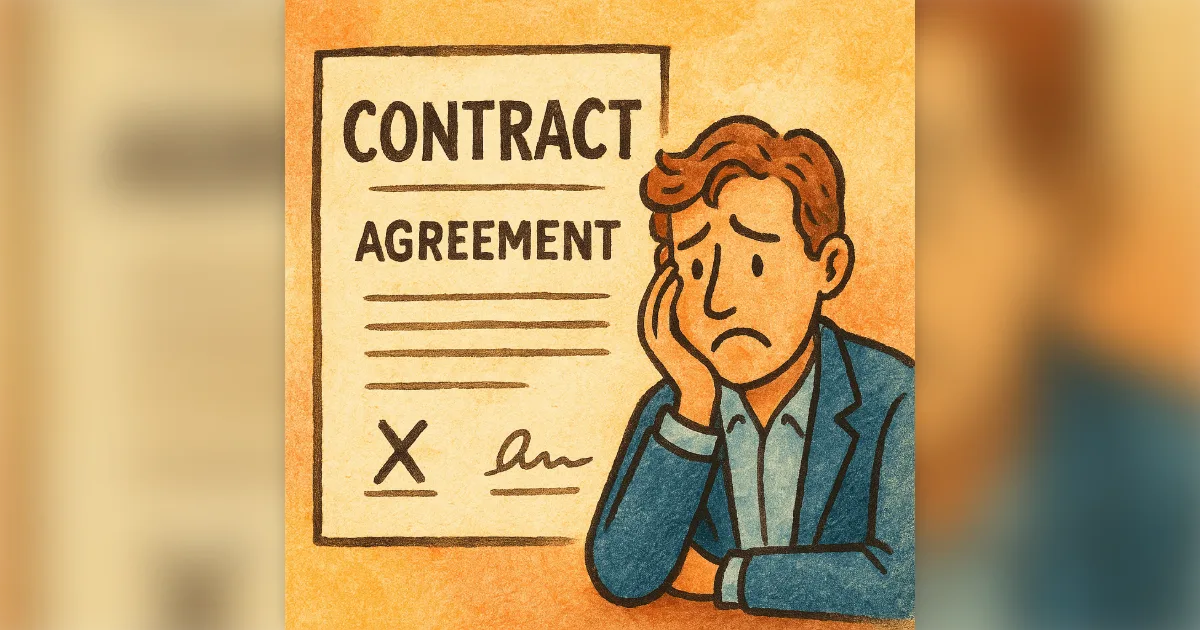
The parties discussed changing the support amount. Mr. Kalis wanted to pay less; Ms. Lee initially suggested more. They exchanged draft agreements back and forth, but here’s the kicker: they never went back to court or submitted a new stipulation for the court to sign. Instead, they did what a lot of separated couples do: they worked something out between themselves. Every month, Ms. Lee requested a payment via Venmo, and Mr. Kalis paid it. First, $1,000 per month, then in 2019, they dropped that amount down to $500. Keep in mind the 2013 court order was still in place. They never changed it; they just made this side deal. Just digital payments and a mutual understanding.
That arrangement lasted until 2022, when Mr. Kalis started falling behind on the agreed-upon payments, and Ms. Lee reapplied for child support services with the county, which looked at the original 2013 order and promptly calculated that Kalis was behind in his child support by more than $30,000 (what we call being in arrears).
Mr. Kalis thought they had a deal and hired a lawyer to try and get it reduced.
FUN FACT: I have been doing this for over 25 years, and about once a month I get a call like this from a parent who thought they had a side deal. I always tell them the same thing: without a new court order, you cannot retroactively modify child support, so save your money and do not hire a lawyer to fight it. Mr. Kalis instead hired a lawyer and fought it through the child support magistrate, the district court, the Court of Appeals and the Minnesota Supreme Court. It turns out he still owes the $30,000, plus whatever he paid his lawyer. He probably wishes he had just called me…
He argued they had a deal, albeit informal, and that the court should either honor that agreement or at least waive the arrears based on fairness. And for a while, that worked… until it didn’t.
What the MN Supreme Court Actually Said
The Minnesota Supreme Court stepped in and reversed both the child support magistrate and the Court of Appeals. Here’s the heart of the ruling:
- Private agreements to modify child support are invalid.
- Only a court can modify a support order, and only after a proper motion has been filed and served.
Even if both parents stick to a new arrangement for years, it doesn’t matter. No court order? Then, it’s not enforceable. That Venmo trail? Nice recordkeeping, for sure, but legally meaningless. The court isn’t bound by fairness if fairness breaks the law.
Why It Matters
This case isn’t just about Mr. Kalis and Ms. Lee. It sets a clear reminder for everyone involved in child support: this is about the kids, not the parents. The money is meant to support children, and even if parents come to a mutual agreement, they don’t have the legal authority to change the terms without judicial approval, and they need that new order signed by the Judge!
Courts are especially wary of informal agreements because they’re fertile ground for power imbalances, misunderstandings, and abuse. And even if an arrangement works for years, it only takes one conflict or enforcement request for the whole house of cards to fall. That’s exactly what happened here.
The “Don’t Do This” List
If you are in a similar situation, paying child support under a side agreement that never went back to court, please take a lesson from this case:
- Don’t try to modify support on your own!
- Don’t rely on payment apps as evidence of a valid agreement!
- Don’t assume being “fair” makes it legal!
The Right Way to Do It
Need to change child support? Here’s the legal way to go about it:
- File a motion with the court to modify the order.
- Serve the other party with notice. This starts the timeline for any possible retroactive changes.
- Keep paying the full amount until the judge signs off on something different.
- Get legal advice if you’re unsure. These rules aren’t flexible, and mistakes are expensive (just ask Mr. Kalis).
Final Thoughts
Lee v. Kalis is a cautionary tale, and an all-too-common one. It shows how informal “deals” made with the best intentions can blow up years later. The truth is, it doesn’t matter if you and your co-parent are getting along or splitting things fairly. What matters is what’s on the record and what a judge has approved.
So if you’re thinking about adjusting child support, do it right. Do it through the court. Otherwise, like Kalis, you might find yourself facing a five-figure bill and a harsh legal reality.