
How to Testify in Court: 10 Tips From a Minnesota Lawyer
Last updated: November 12, 2026
What’s the key rule in testifying in court? Tell the truth. As my grandfather said when asked why he didn’t lie, “Because the truth is easier to remember.”
But there is more to it than just speaking the truth. To testify well in court, listen to the whole question, take a breath, answer only what was asked in plain words, and tell the truth even when it hurts. That sounds simple. On the witness stand, with a judge watching and people watching just a few feet away, it is not.
I have been trying family law cases in Minnesota for 26 years, and I see the same handful of witness mistakes over and over. Every one of them can be fixed with a little preparation. These are the 10 tips I give anyone who is about to testify, whether it is a divorce trial, a custody trial or an evidentiary hearing.
What Is Different About Testifying in Minnesota Family Court?
In Minnesota, a divorce or custody trial is decided by a judge, not a jury. That one fact changes how you should testify.
A jury trial is part theater. Jurors watch your clothes, your haircut and your face, and lawyers play to that. A judge has seen and heard more witnesses than you can imagine, expects you to be nervous, and is not moved by drama. What the judge needs is facts, delivered clearly, because after the trial the judge has to write findings of fact that explain the decision. In a custody trial, those findings track the best interests factors in Minn. Stat. 518.17, so every answer you give either helps the judge fill in those factors or wastes the judge’s time.
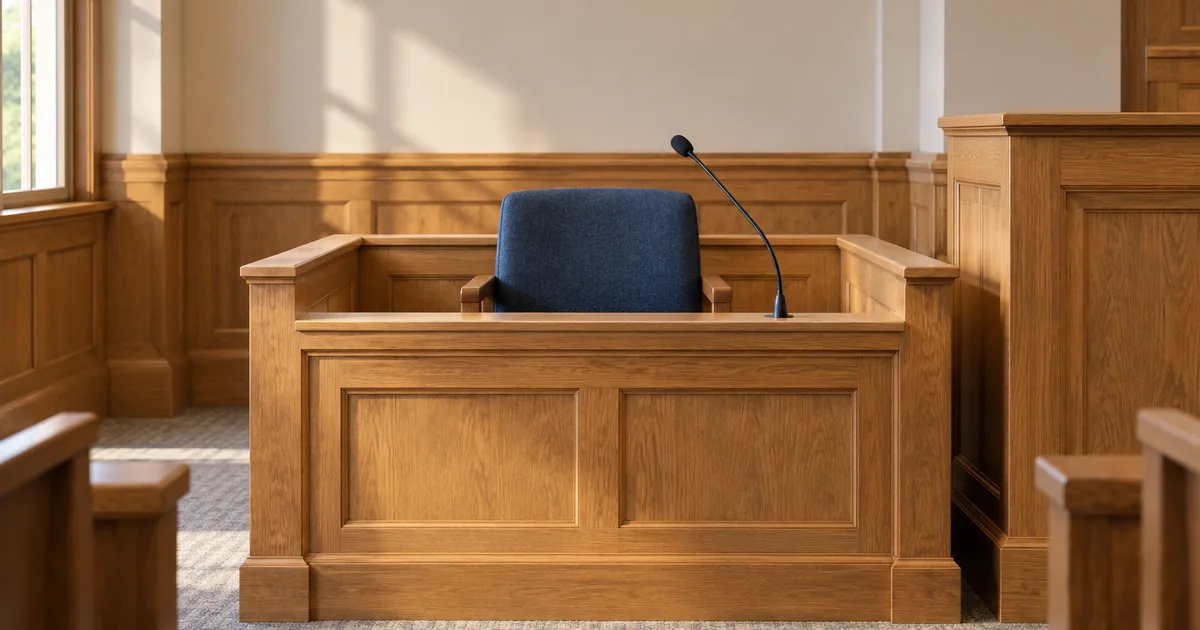
Plan on being in an actual courtroom. Under Minnesota Judicial Branch Policy 525, most family court hearings are remote by default, but evidentiary hearings, hearings intended for settlement, and trials are held in person. If you are wondering what to wear that day, I wrote a separate guide on what to wear to divorce court.
1. Figure Out What Kind of Witness You Are
Most witnesses lean one of two ways, and both make the judge’s job harder. I call them the Bachelor Norwegian Farmer and Chatty Cathy.
The Bachelor Norwegian Farmer answers everything in one word. How was your weekend? Fine. How are the kids? Fine. What did you do this summer? Nothing. Imagine being the judge listening to that for an hour. You would be thinking about dinner by the third question.
Chatty Cathy is the opposite. Ask how her weekend was and you hear about a great salad, cleaning the garage, finding an old yearbook, and wondering what Will Johnson is up to these days, followed by “Wait, what was the question?” The answer the judge needed is buried in there somewhere, and it gets lost.
You want to land in the middle: direct, complete answers with enough detail to be useful and no more. Be honest with yourself about which way you lean, then practice in the other direction.
2. Know the Difference Between Direct and Cross-Examination
You will be questioned two different ways, and they feel very different.
Direct examination comes first, usually from your own lawyer. The questions are open, like “Tell the court what happened when you picked up the children on Friday,” and you get to explain in a few sentences. I think of direct as a conversation between you and your lawyer with a dude in a robe listening.
Cross-examination comes from the other side’s lawyer, and it is the part people picture from the movies. Minnesota Rule of Evidence 611(c) says “Ordinarily leading questions should be permitted on cross-examination,” so expect questions built for a yes or no, like “Isn’t it true you were 30 minutes late for the exchange?” On cross, your answers should get shorter. Afterward your lawyer may ask a few more questions on redirect, and the other lawyer may follow with recross.
3. Make Sure You Understand the Question
If you do not understand a question, say “I don’t understand the question,” then stop and let the lawyer rephrase it.
Do not ask the lawyer to repeat it, because you will just hear the same confusing question again. And do not try to help by asking “Did you mean X or Y?” The lawyer probably meant X, but now you have told them about Y.
Understanding the question also means answering the question that was actually asked. If a lawyer asks “Do you know what time it is?” the answer is yes or no. It is not “About 11:30.” That small habit of answering a slightly bigger question than the one asked is how witnesses wander into trouble.
4. Take a Breath Before You Answer
Pause for a second before every answer. That breath gives you time to make sure you understood the question, and it gives your lawyer time to object if the question is improper.
A pause is a moment, not 10 seconds. You want the rhythm of a normal conversation with someone who is careful with their words, not someone who looks like they are building a story. If a lawyer objects, stop talking and wait for the judge. If the judge says “sustained,” you do not answer. If the judge says “overruled,” you answer the question.
5. Answer the Question, Then Stop
When you are done with your answer, stay done. Many witnesses give a good answer, then keep talking to fill the silence, and the extra talking is where the damage happens.
Experienced lawyers know this. A common move is to ask a question, get an answer they did not like, and then just look at you and wait. And wait. Most people find that silence unbearable and start adding detail or backing away from what they just said. Silence is not your enemy. Let the lawyer ask the next question.
6. Say “I Don’t Know” or “I Don’t Remember” When It Is True
If you do not know the answer, say “I don’t know.” If you do not remember, say “I don’t remember.” Never guess.
Starting an answer with “If I had to guess” hands the other lawyer a gift, because now your guess is part of the record. You are not expected to know every fact or remember every date. The flip side matters too. If you claim not to remember things you obviously know, the judge will notice, and it will cost you more than an honest answer would have.
7. Drop the Crutch Words
Words like “I think,” “I believe,” “probably” and “maybe” make you sound unsure even when you are not. If you know something, say it plainly.
Compare “I think I usually pick the kids up from school” with “I pick the kids up from school on Mondays and Wednesdays.” The second answer sounds like someone who actually does it. When you are estimating, say so once and clearly, such as “about 20 minutes,” and move on.
8. Never Argue With the Other Lawyer
You cannot win an argument with the other side’s lawyer, and trying will make you look angry and unreasonable in front of the person deciding your case.
Lawyers argue for a living, and they know the rules of evidence. Thinking you can out-argue one because you are right is like thinking you can play in the NFL because you played some football in high school. It will not end the way you picture it.
Do not ask the lawyer questions either. Lines like “Why are you asking me that?” only confuse things and irritate the judge. The other lawyer is doing a job, and it is not personal. You would not hate the mechanic who tells you your transmission is shot. Stay calm and take the high road, because a calm witness is far easier for a judge to believe.
9. Remember Who You Are Talking To
Your audience is the judge, not your ex and not the lawyer asking the questions. On longer answers during direct examination, it is fine to turn and speak to the judge.
The judge is also watching you when you are not on the stand. Eye rolls, head shaking, sighing and whispering to your lawyer while your ex testifies all get noticed. In a bench trial the judge sees everything, and how you act while someone else testifies can say as much as your own testimony.
10. Practice Out Loud
Run through your testimony out loud before trial, in the car, in the shower, wherever. Saying it out loud is very different from thinking it, and you will find the spots where you ramble or freeze.
If you are really nervous, record a practice session on your phone and watch it. Once or twice is usually enough to spot nervous habits like saying “um” before every answer or staring at the floor. Practice the substance, not a script. Memorized answers sound memorized, and you are under oath to answer the question asked, not to recite a speech.
If You Are Representing Yourself
Every tip above still applies, but you will play two roles. When you testify for yourself, you usually just tell the judge your story in your own words, since there is no lawyer to ask you questions. When it is your turn to question the other party, the rules flip: short, focused questions, no arguing, and no speeches disguised as questions.
Frequently Asked Questions About Testifying in Court
Can I bring notes to the witness stand?
Ask your lawyer first, and expect the answer to usually be no. Under Minnesota Rule of Evidence 612, if you use a writing to refresh your memory while you testify, the other side is entitled to see it, cross-examine you about it, and put the related parts into evidence. It is usually better to testify from memory and let your lawyer show you an exhibit if you need one.
What if I get emotional on the stand?
That is okay. Judges see tears in family court all the time. Pause, take a breath, and ask for a glass of water or a tissue if you need one. What hurts witnesses is not emotion. It is anger aimed at the other side.
What happens if I lie on the stand?
Lying under oath is perjury under Minn. Stat. 609.48, which carries up to five years in prison, a $10,000 fine, or both in a case like a divorce. The more practical risk is credibility. The judge decides who to believe, and one answer caught as false can color everything else you said.
Do I have to answer every question?
Unless the judge sustains an objection, yes. You are under oath, and refusing to answer looks worse than almost any honest answer. Leave the objections to your lawyer and wait for the judge’s ruling before you speak.
Can I testify by Zoom in a Minnesota family court trial?
Usually not. Under Judicial Branch Policy 525, family court trials and evidentiary hearings are presumed to be in person. A party can ask the judge for an exception, and the judge decides.
Will my children have to testify in my custody trial?
In my experience it is very rare for a child to testify in open court, though not unheard of. Minnesota gives judges another option. Under Minn. Stat. 518.166, “The court may interview the child in chambers to ascertain the child’s reasonable preference as to custodian” if the child is old enough. The lawyers can be present and suggest questions, and a record of the interview is made unless both sides waive it.
Where to Go From Here
Testifying is the one part of your case nobody else can do for you. If your case is headed toward trial, my Minnesota Divorce Guide explains how a contested divorce gets there, and my Minnesota Child Custody and Parenting Time Guide covers the best interests factors a judge weighs in a custody trial.
This article is general information about Minnesota law, not legal advice for your situation.